


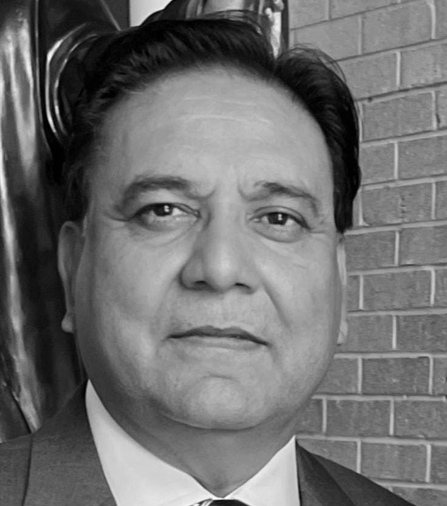
By: Augustine Gill
As the world turns its attention to Islamabad, I find myself not just observing—but feeling this moment deeply.
Having grown up in the Twin Cities of Islamabad and Rawalpindi, these streets are part of who I am. I studied, worked, and later returned in 2006 with the American Red Cross to provide relief to the earthquake victims and stayed for two years in Islamabad. I still remember climbing the Margalla Hills during college breaks—moments that now come rushing back as Islamabad takes center stage.
This is a moment of pride. Pakistan, long defined by complex challenges and difficult narratives, is now being seen as a place of solution—a trusted space for dialogue at a critical time.
The optics alone are powerful: warm handshakes, dignified استقبال, and even early signs of direct engagement between key parties. These are small but meaningful steps toward building trust. While much remains unknown, there is a quiet sense that progress—however gradual—is underway.
The stakes are high. As the Prime Minister of Pakistan, Shehbaz Sharif, has said, this is a make-or-break moment. Even limited progress—extending the ceasefire, agreeing on key principles—would be significant.
And what a setting for such diplomacy. Serena Hotel Islamabad, in the heart of a city in full spring bloom—lush green, serene, framed by the Margalla Hills. Islamabad’s calm beauty and Pakistan’s renowned hospitality offer more than comfort; they create an atmosphere where dialogue can breathe.
The government’s efforts to ensure security and smooth coordination reflect the seriousness of this moment. Behind the scenes, facilitators are working tirelessly—managing complex dynamics with care and professionalism.
From afar, I remain deeply connected—through memories, friendships, and daily conversations. And what I sense, above all, are good vibes coming out of Islamabad.
I hope cooler minds prevail. I hope courage meets wisdom. And I hope this moment, however fragile, opens the door to peace—for the region and for the world.