


By: Sohail Yousaf
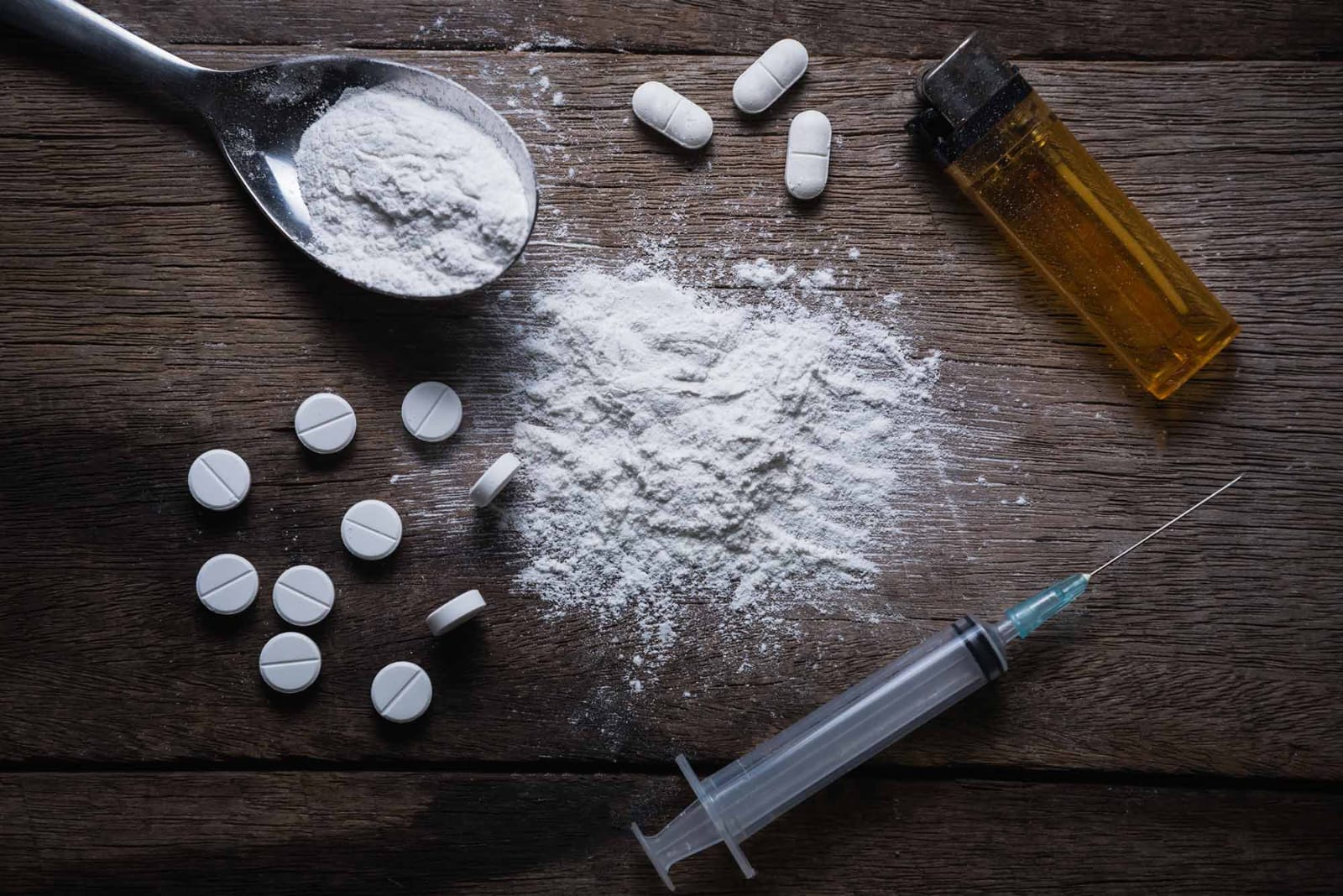
Drug abuse continues to devastate individuals, families, and communities, despite ongoing efforts to curb the trafficking and misuse of illicit substances. Two recent cases illustrate the severe human cost of addiction and underscore the urgent need for prevention, awareness, treatment, and rehabilitation.
One such case involved AG, who died at the age of 32 after a prolonged struggle with substance dependence. According to his family, his addiction began after a minor street altercation resulted in his arrest nearly 15 years earlier. What was expected to be a brief detention reportedly turned into a traumatic experience involving severe physical torture in jail. Following his release, he experienced persistent psychological distress, humiliation, and social isolation, which contributed to increasing alcohol and marijuana use.
Despite repeated attempts by his family to help him—including sending him abroad and arranging rehabilitation—his addiction progressed to injectable drugs. Over time, he became physically weak, socially isolated, and caught in a cycle of dependence and relapse. On July 8, 2025, after complaining of severe chest pain, AG died in his father’s arms before receiving medical treatment, ending years of struggle and leaving his family devastated.
A few months later, in October 2025, another fatal incident highlighted the dangers of alcohol dependence. Mr. S, a 45-year-old man with a long history of alcohol addiction, reportedly fell from the rooftop of his home while heavily intoxicated. He sustained multiple broken ribs and internal bleeding and died the following day despite medical treatment. According to family members, he frequently consumed an entire large bottle of alcohol in a single day.
These cases are not isolated incidents. Health experts warn that increasing numbers of young people are becoming involved in drug and alcohol abuse, making it essential to understand the effects of addictive substances and the importance of timely treatment, detoxification, and rehabilitation.
Tranquilizers are among the substances commonly misused. These medications are central nervous systems (CNS) depressants prescribed to reduce anxiety, treat insomnia, control seizures, or manage certain mental health conditions. They include minor tranquilizers such as benzodiazepines—including alprazolam, diazepam, and lorazepam—as well as major tranquilizers, or antipsychotic medications, used to treat disorders such as schizophrenia and bipolar disorder.
Alcohol is also classified as a CNS depressant. While these substances can be beneficial when used under medical supervision, misuse or excessive consumption can be toxic and, in some cases, fatal. Alcohol poisoning and drug overdoses can suppress breathing, heart rate, and body temperature. Long-term substance abuse may also lead to sleep disturbances, gastrointestinal problems, dehydration, malnutrition, vitamin deficiencies, and damage to multiple organs.
Experts note that addiction affects far more than physical health. Substance dependence alters the brain’s reward system, causing drugs or alcohol to become the primary focus of an individual’s life while relationships, responsibilities, and personal values gradually deteriorate. Many people struggling with addiction neglect family members, employment, education, and social obligations. Some become involved in criminal activity to obtain drugs, leading to legal consequences, family conflict, and social isolation.
In many cases, addiction contributes to divorce, emotional and financial hardship for children, unemployment, homelessness, and worsening physical and mental health. Without effective intervention, some individuals die alone and without recognition. Worldwide, millions of lives continue to be affected by illicit drugs and alcohol abuse, highlighting the need for stronger prevention strategies, early intervention, public awareness, and accessible rehabilitation services.
Treatment Options:
A range of treatment, detoxification, and rehabilitation programs is available for individuals living with substance use disorders.
Holistic therapies focus on addressing the emotional, physical, and spiritual aspects of recovery. Peer-support groups such as Narcotics Anonymous (NA) and Alcoholics Anonymous (AA) provide ongoing support through regular meetings, shared experiences, sponsorship, and the Twelve-Step approach.
Therapeutic Communities (TCs) offer structured residential programs where participants live together, receive counseling, develop life skills, follow daily routines, and support one another throughout recovery.
Other rehabilitation approaches include the Narconon program, which combines drug-free withdrawal support, counseling, life-skills training, educational courses, and its New Life Detoxification Program involving exercise, sauna sessions, and nutritional support.
Regardless of the treatment approach, recovery from addiction is widely recognized as a gradual process requiring time, patience, determination, professional guidance, and continued family and community support. Although recovery can be challenging, successful detoxification and rehabilitation can help individuals restore their health, rebuild relationships, and lead productive, drug-free lives.
Indicators of Successful Recovery
Health professionals commonly identify several indicators of successful recovery, including:
Sustained abstinence or achievement of treatment goals established with healthcare professionals.
Improved physical health, including better sleep, appetite, energy levels, and fewer substance-related medical problems.
Improved mental and emotional well-being, including better management of stress, emotions, and cravings.
Stable daily functioning through employment, education, and responsible management of personal affairs.
Healthier relationships and renewed trust with family and friends.
Reduced involvement in criminal or high-risk behavior.
Continued participation in counseling, peer-support groups, or structured recovery programs.
Improved ability to recognize and manage relapse triggers.
Better overall quality of life and greater satisfaction with personal, family, and professional goals.
Long-term recovery maintained despite stressful circumstances.
Modern addiction treatment increasingly defines recovery not only by abstinence from drugs but also by measurable improvements in overall health, daily functioning, and quality of life. Individuals are often considered to be in recovery when they successfully manage their substance use disorder while living healthy and productive lives.
International Day Against Drug Abuse and Illicit Trafficking 2026
On the occasion of the International Day Against Drug Abuse and Illicit Trafficking, individuals, communities, and institutions are encouraged to strengthen efforts to prevent drug abuse, support recovery, and promote healthier and safer societies.
Public awareness campaigns emphasize the importance of choosing drug-free lifestyles, respecting physical and mental health, showing compassion rather than stigma toward people recovering from addiction, participating in sports, arts, and other constructive activities, supporting school and community awareness initiatives, and educating others about the dangers of substance abuse.
The message for this year’s observance remains clear:
“Say No to Drugs, Say Yes to Life, Health, and Hope.”
About the Writer:

Sohail Yousaf is an activist, report writer, and social advocate dedicated to highlighting human rights issues and the challenges faced by marginalized communities. He has authored reports on social justice and humanitarian concerns and has hosted programs focusing on the experiences of persecuted families, available on YouTube. Through his writing, advocacy, and public engagement, he works to raise awareness, promote dialogue, and support efforts toward equality and justice.