


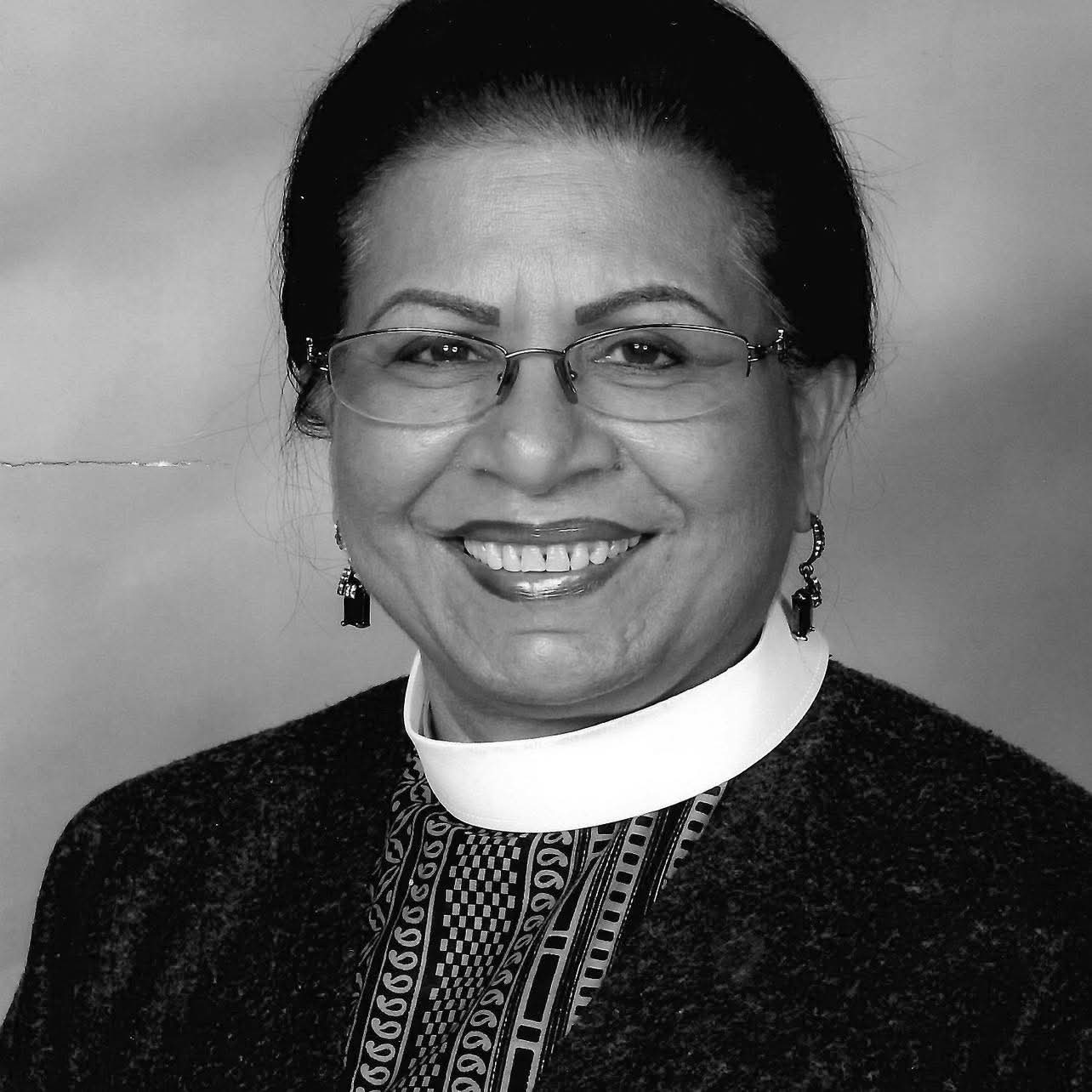
By: Dr. Khushnud Azariah
A recent ruling by the Federal Constitutional Court of Pakistan, upholding the marriage of a minor Christian girl to an adult Muslim man, has sparked widespread concern among human rights advocates, faith leaders, and civil society. The decision has reignited debate over the intersection of law, religion, and the protection of vulnerable individuals—particularly minors from marginalized communities.
At the center of this issue lies a fundamental question: Do existing legal and social frameworks adequately safeguard those who are least able to protect themselves, or do they risk enabling exploitation under the guise of legality or tradition?
Marriage, across religious and cultural traditions, is widely regarded as a sacred and socially significant institution. It is understood to be grounded in mutual consent, dignity, and shared responsibility. However, when one party—particularly a minor—lacks the maturity, autonomy, or capacity to give fully informed consent, the ethical foundation of such a union becomes deeply contested.
This concern is not limited to any one faith or community. It reflects a broader moral challenge: how societies define and defend the rights of children and adolescents, especially in contexts shaped by poverty, limited access to education, and unequal power dynamics.
Within Christian theology, the teachings of Jesus Christ emphasize care for the vulnerable and warn against causing harm to those considered “little ones” (Matthew 18:6). Similarly, principles of justice and protection of the weak are echoed in other religious traditions, including Islam, which upholds the dignity and rights of individuals, particularly minors, within its ethical framework.
Critics of the court’s decision argue that legal validation of such marriages risks normalizing relationships that may involve coercion, social pressure, or economic vulnerability. They point to the need for stronger enforcement of child protection laws, including minimum age requirements and safeguards ensuring free and informed consent.
Proponents, however, often frame the issue within the context of personal choice, religious freedom, or cultural practice—highlighting the complexity of legislating in pluralistic societies. Yet this perspective is increasingly challenged by those who argue that individual rights, particularly the rights of minors, must take precedence over customary norms when the two are in conflict.
The implications extend beyond the courtroom. Families facing economic hardship may be more susceptible to decisions that compromise long-term wellbeing. Religious leaders, meanwhile, are being called upon to take clearer ethical positions, ensuring that faith is not used to justify practices that undermine human dignity.
Civil society organizations continue to stress the importance of education—especially for girls—as a critical tool in preventing early and forced marriages. At the same time, legal experts emphasize that legislation alone is insufficient without consistent enforcement and accountability mechanisms.
Ultimately, this debate is not confined to questions of religion or culture. It is a test of a society’s commitment to justice, equality, and the protection of its most vulnerable members.
As discussions continue, one principle remains clear: the legitimacy of any institution, including marriage, depends not only on its legal recognition but also on its capacity to uphold dignity, freedom, and mutual respect.
In that light, the challenge facing policymakers, religious authorities, and citizens alike is to ensure that what is considered lawful is also just—and that silence, in the face of potential harm, does not become complicity.