


By: Zara Amoon
Women journalists in Pakistan continue to encounter a range of professional challenges, including gender discrimination, workplace harassment, safety risks, and limited representation in media organizations.
Despite the expansion of the country’s media sector over the past two decades, experts say female participation in journalism remains relatively low and barriers to career advancement persist.
Journalism plays a significant role in shaping public opinion and strengthening democratic systems by informing citizens about political, social, and economic developments. However, women entering the profession often face structural and cultural challenges that affect their ability to work and progress in the field.
Limited Representation in Newsrooms:
One of the major concerns highlighted by studies and media watchdog organizations is the low representation of women in Pakistani newsrooms.
According to gender audits of media organizations, women account for only around 11 percent of journalists in the country, with most newsrooms largely dominated by men.
The imbalance is particularly visible in leadership positions. Surveys indicate that only about 3 percent of women journalists reach senior or decision-making roles. Media analysts say this disparity limits women’s influence in editorial policies and newsroom management.
Observers note that male-dominated newsroom cultures can also result in
the absence of gender-sensitive workplace policies and support mechanisms for female employees.
Workplace Discrimination:
Gender discrimination remains another major issue within the media industry. Research surveys have found that many women journalists believe they receive lower salaries than their male colleagues for performing similar work. In some studies, nearly 89 percent of female journalists reported that men in comparable positions earn higher pay.
Discrimination may also appear during recruitment and job assignments. Some media organizations reportedly hesitate to assign women to field reporting due to assumptions about safety concerns or late working hours. As a result, many women are given desk-based responsibilities or “soft beats,” such as lifestyle, culture, or education reporting, rather than politics, crime, or investigative journalism.
Media experts say this professional segregation can limit career growth and reinforce stereotypes about women’s abilities in journalism.
Harassment in the Workplace:
Workplace harassment is another concern raised by female journalists. Reports indicate that more than half of women journalists in Pakistan have experienced some form of harassment, including inappropriate comments, intimidation, or sexual harassment.
Many victims hesitate to report such incidents due to fear of professional consequences, social stigma, or lack of effective complaint mechanisms within media organizations. In some cases, disciplinary action against perpetrators has been described as insufficient.
Women journalists covering public events, protests, or political rallies have also reported verbal abuse and intimidation from individuals outside their organizations, including members of the public and political actors.
Rising Online Harassment:
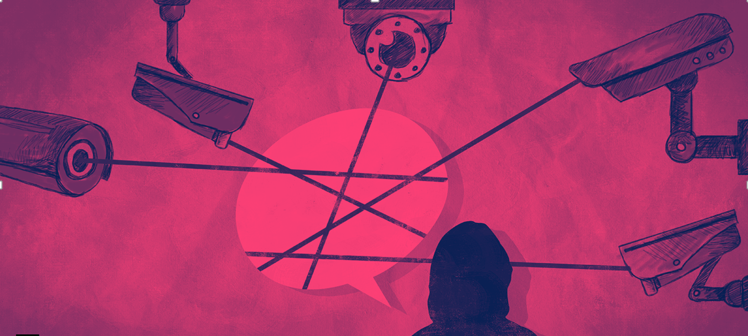
The growth of social media has created additional challenges for women journalists. Female reporters who express opinions online or cover controversial issues frequently face coordinated harassment campaigns on digital platforms.
Data from digital rights organizations shows that cyber harassment complaints filed by journalists have increased in recent years, with women often targeted through abusive language, threats, and defamation attempts. Such attacks sometimes include doxing—publishing personal information online—or spreading false allegations intended to damage reputations.
Experts say these digital attacks can cause significant psychological stress and may lead some journalists to reduce their social media activity or avoid sensitive topics.
Safety and Security Risks:
Journalists in Pakistan already face security risks due to political tensions and restrictions on press freedom. For women reporters, these risks may be compounded by gender-based violence and social attitudes toward women working in public spaces.
Female journalists reporting on sensitive issues such as corruption, human rights, or extremism may face threats, stalking, or intimidation. Human rights groups have documented cases where women reporters were harassed or threatened because of their work.
These concerns sometimes lead journalists to take additional safety precautions, such as avoiding traveling alone for assignments or limiting coverage of controversial subjects.
Cultural and Social Barriers:
Cultural norms and patriarchal attitudes in some parts of Pakistani society continue to influence women’s participation in journalism. In certain communities, journalism is viewed as an unsuitable profession for women because it may involve late working hours, travel, and interaction with unfamiliar people.
Family pressure and social expectations can discourage women from entering or continuing in the profession. In more conservative regions, such as parts of Khyber Pakhtunkhwa, the number of female field reporters remains significantly lower than that of male journalists.
Observers say these social barriers restrict women’s mobility and reduce opportunities for gaining practical field experience.
Limited Institutional Support:
Many media organizations have also been criticized for lacking policies that support female employees. Studies indicate that several newsrooms do not have active anti-harassment committees, despite legal requirements.
In addition, some workplaces lack facilities such as maternity leave arrangements, safe transportation for late shifts, or childcare support. Without such institutional measures, female journalists often find it difficult to balance professional and family responsibilities.
Psychological Impact:
The combined effects of discrimination, harassment, and safety concerns can place significant psychological pressure on women journalists.
Continuous exposure to online abuse, threats, and criticism may contribute to stress, anxiety, or professional burnout.
Media experts note that mental health support for journalists remains limited in Pakistan, making it difficult for many professionals to cope with the pressures associated with the job.
Efforts to Support Women Journalists:
Despite these challenges, several professional networks and civil society organizations are working to improve conditions for women in journalism.
Groups such as the Women Journalists Association of Pakistan and the Women’s Media Forum advocate for safer workplaces, equal opportunities, and stronger policies against harassment.
Digital rights organizations and media development groups also conduct training sessions and awareness campaigns aimed at addressing cyber harassment and promoting gender equality in the media sector.
Continuing Role in Public Discourse:
Despite the obstacles, women journalists continue to contribute significantly to Pakistan’s media landscape. They report on issues such as education, health, gender equality, and social justice, bringing perspectives that might otherwise be overlooked.
Media analysts say the presence of women in journalism not only strengthens press freedom but also encourages greater participation of women in public life.
Observers emphasize that improving conditions for female journalists will require coordinated efforts by media organizations, government institutions, civil society groups, and professional associations.
Measures such as stronger workplace protections, equal employment opportunities, and effective responses to online harassment are seen as important steps toward creating a safer and more inclusive media environment.