


News Desk:
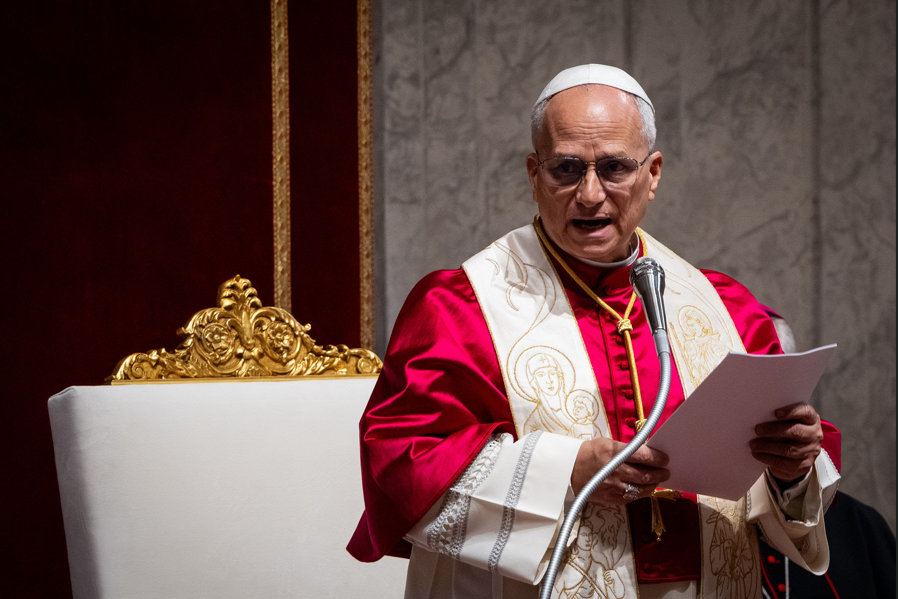
In his message for the 60th World Day of Social Communications, Pope Leo XIV called for the protection of human dignity, critical thinking, and authentic relationships in an era increasingly shaped by artificial intelligence and digital technology.
The message, titled “Preserving Human Voices and Faces,” was issued from the Vatican on 24 January 2026, the Memorial of Saint Francis de Sales, patron saint of journalists and writers. The Pope reflected on the growing influence of artificial intelligence on communication, human interaction, media, and society, warning that technological progress must remain centered on the human person.
Pope Leo XIV described human faces and voices as sacred expressions of identity and relationship, rooted in the belief that humanity is created in the image of God. He stated that communication is not merely the exchange of information but a deeply human and spiritual encounter. According to the Pope, preserving authentic human communication is essential in a digital age where technology increasingly imitates human behavior, speech, and emotions.
The Pope warned that artificial intelligence systems are now capable of simulating human voices, faces, emotions, and relationships, creating risks for both individuals and societies. He said that these technologies can interfere with human relationships and distort communication by replacing genuine interaction with automated imitation. He cautioned that the challenge posed by AI is not only technological but also anthropological, because it concerns the understanding of what it means to be human.
A significant portion of the message focused on the impact of algorithms and social media platforms.
Pope Leo XIV criticized systems designed primarily to maximize engagement and profit, arguing that they encourage emotional reactions while discouraging reflection and critical thinking. He said such mechanisms contribute to polarization, misinformation, and the creation of “bubbles” of easy consensus and outrage.
The Pope also expressed concern over the growing dependence on AI systems as sources of knowledge and advice. He warned that excessive reliance on artificial intelligence could weaken human creativity, analytical thinking, and communication skills. He noted that AI-generated texts, music, and videos are increasingly replacing human creative work and risk turning individuals into passive consumers rather than active creators.
Addressing the rise of chatbots and virtual influencers, Pope Leo XIV highlighted the difficulty people face in distinguishing between real human interaction and AI-generated communication. He warned that highly personalized AI systems can simulate emotional relationships, especially affecting vulnerable individuals. According to the Pope, this development may damage social and cultural life by replacing genuine human encounters with artificial interactions.
The message also addressed concerns over bias and misinformation within AI systems. Pope Leo XIV stated that artificial intelligence models often reflect the prejudices and assumptions of those who design them, potentially reinforcing stereotypes and social inequalities. He warned that fabricated content, deepfakes, and manipulated realities can erode trust and make it increasingly difficult for people to distinguish truth from fiction.
Pope Leo XIV further raised concerns about the concentration of power among a small number of technology companies that control major AI systems and digital platforms. He suggested that such concentration could influence public behavior, political discourse, and even historical narratives without widespread public awareness.
Despite these concerns, the Pope did not reject technological innovation. Instead, he called for what he described as an “alliance” between humanity and technology, based on responsibility, cooperation, and education.
He urged technology companies, lawmakers, media organizations, educators, and civil society to work together to ensure that AI development respects human dignity and serves the common good.
The Pope called on online platforms to balance profit motives with ethical responsibility and urged developers of AI systems to practice transparency and accountability. He also emphasized the importance of regulation to protect individuals from manipulation, misinformation, and emotional dependency on AI systems.
Media organizations were encouraged to maintain professional standards of truth, transparency, and accuracy rather than prioritizing audience engagement alone. Pope Leo XIV also stressed that AI-generated content should be clearly identified and distinguished from content created by humans.
Education and digital literacy formed another major theme of the message. The Pope called for the introduction of media, information, and AI literacy programs at all levels of education to help individuals critically evaluate information, understand algorithms, and protect themselves from online manipulation and digital harms such as cyberbullying, fraud, and deepfakes.
Concluding the message, Pope Leo XIV reaffirmed the importance of preserving authentic human communication in the digital era. He stated that technology should support rather than replace human relationships and emphasized the continuing need for “faces and voices to speak for people again.”
The World Day of Social Communications is observed annually by the Catholic Church and focuses on the ethical and social dimensions of media and communication in contemporary society.